Untrusted by Design, Proven by Testing: Inside Deep CDR™ Validation
AI is increasing the number of files moving through the enterprise, and it's getting harder to tell safe files from malicious ones. Deep CDR technology, trusted for classified networks and inter-agency file exchanges, doesn't need to tell them apart: it treats every file as untrusted, no matter who or what created it.
Join OPSWAT VP of Products George Prichici to see how Deep CDR technology is tested not just internally, but to the standards intelligence and defense agencies require, and how it's independently proven through penetration testing and specialized anti-malware testing labs, including AV-Comparatives' latest evaluation. You'll leave with a framework for holding any CDR vendor to the same standard.
閱讀這套方法論的基礎著作
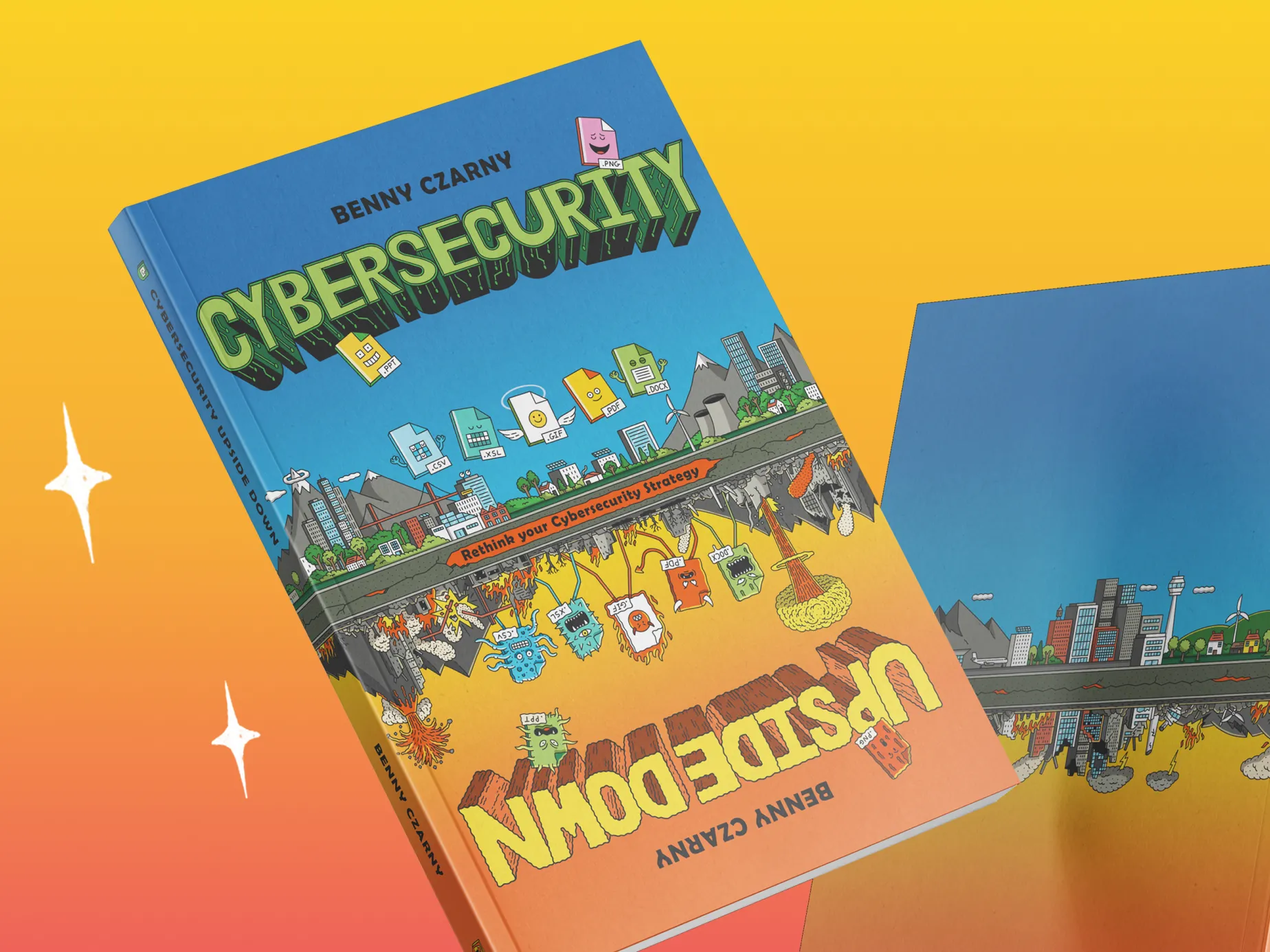
由OPSWAT 創辦人暨執行長班尼·查尼(Benny Czarny)所著的《顛覆網路安全》(Cybersecurity Upside Down),闡述了 Deep CDR™ 技術所奠基的「預防優先」思維,該技術亦已獲得 AV-Comparatives 的獨立驗證。這本書是參與網路研討會的絕佳入門讀物。
AV-Comparatives 的調查結果
AV-Comparatives 獨立設計了評估方法、執行了評測,並得出自己的結論。測試涵蓋三個方面:Deep CDR™ 技術如何應對即時攻擊情境、其涵蓋的檔案類型數量,以及重建後的檔案是否仍可正常使用。以下將介紹這場網路研討會的內容。
經由當今最嚴苛的攻擊測試
From AI-assisted malicious content to macros, embedded executables, and nested archives, Deep CDR technology was evaluated across every major file-borne attack scenario, earning a 100% sanitization rate in AV-Comparatives' latest test. See how it held up in the webinar.
涵蓋各類企業檔案類型
Office documents, PDFs, images, archives, and the formats your teams exchange every day were all put through recursive sanitization, and the result held across every file type tested. The webinar breaks down the results.
確保安全性而不破壞檔案
Removing threats is only half the job, the file still has to work. Reconstructed files stayed usable, preserving the layout, formatting, tables, formulas, and structure people rely on. The webinar details exactly what fidelity was retained and why.